
To design a turnkey box build for reliable production, treat the PCB, enclosure, cabling, and connectors as one integrated system and apply design‑for‑manufacturability and design‑for‑test from the start so the assembly can be built, tested, and serviced consistently at scale. In a world of smart, connected devices, data centers, and 5G infrastructure, that level of integration and reliability is no longer optional. It’s expected.
Multiple factors are driving the surge in demand for printed circuit boards (PCB), with a market projected to grow at a CAGR of more than 5% through 2033. New products are designed and built daily that require a PCB at their heart. But the PCB alone cannot make the product functional. That heart needs a home.
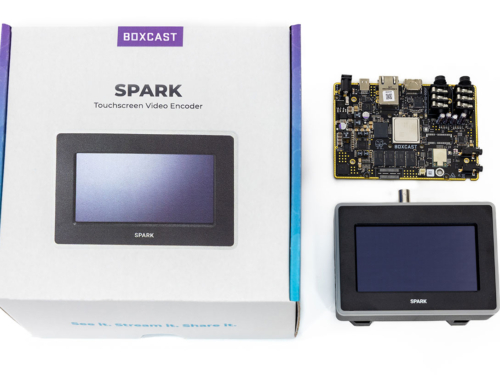
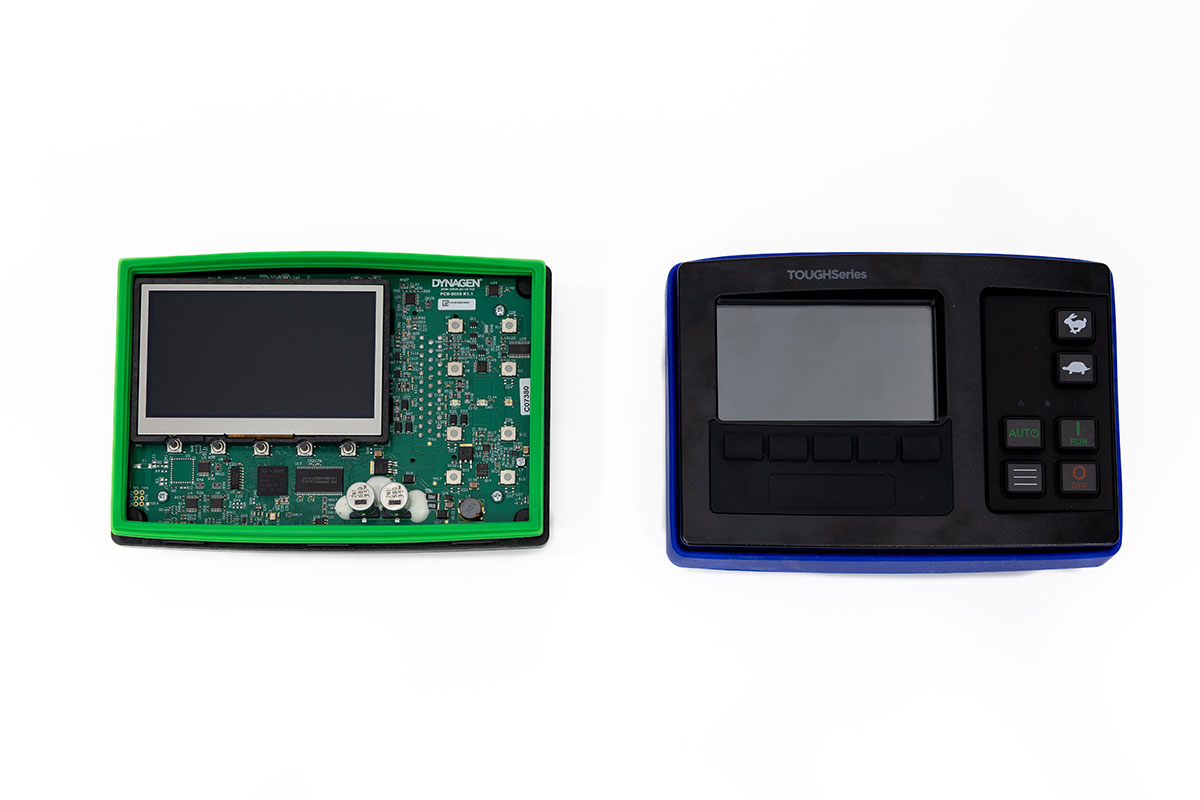
An enclosure does more than protect the board. It connects it to the outside world, making the final device serviceable and market-ready. That’s where box build design comes in. Depending on the application, a box build can house a single board or integrate multiple boards connected by wiring, all within a purpose-built enclosure.
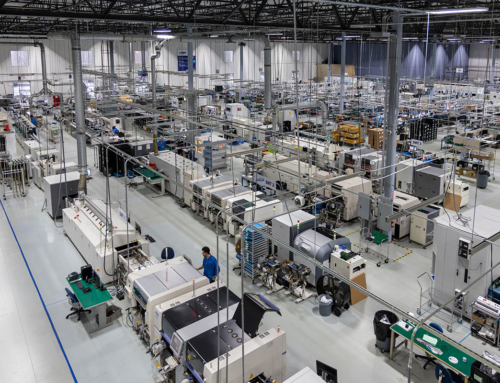
A turnkey box build/finished product takes that a step further, consolidating PCB assembly, cable and harness manufacturing, enclosure integration, and final testing under one roof. But the quality of that finished unit and its suitability for reliable production depend heavily on how well the design phase is executed. Here’s a step-by-step guide to designing a turnkey box build that meets your reliability requirements.
Step 1: Define the end-use environment
Before specifying a single component, understand where the product will live. A consumer handheld device faces entirely different stresses than a unit mounted inside an industrial facility.
Key environmental factors that drive box build design decisions include:
- Moisture and humidity levels
- Operating temperature range
- Exposure to dust, debris, or corrosive materials
- Shock and vibration requirements
These factors determine material selection, enclosure ratings, and sealing requirements. If your application requires an ingress protection (IP) rating, that needs to be established early. The IP rating will influence nearly every downstream design choice.
Step 2: Select the right enclosure material
Most enclosures are made from molded plastic or metal, and both are available in virtually any size, shape, or configuration. The right choice depends on the operating environment, target weight, and application.
- Plastic enclosures are cost-effective, lightweight, and ideal for consumer or commercial applications.
- Metal enclosures offer superior durability, EMI shielding, and heat dissipation for demanding environments.
- Specialty materials may be required where weight reduction or specific mechanical properties are critical.
Box type, wall thickness, and closure design all follow the end-use requirements, not the other way around.
Step 3: Plan the internal layout and weight distribution
A well-designed box build isn’t just about fitting components inside the enclosure, but also about organizing them intelligently.
Consider:
- Component placement for accessibility, airflow, and serviceability
- Weight distribution within the enclosure — lopsided assemblies create a poor user experience and can cause mounting or handling issues
- Interference avoidance between electronic components, cables, and enclosure features
Layout decisions made early in the box build design process prevent costly redesigns later and improve manufacturability across production runs.
Step 4: Design the cable and connector architecture
The wiring inside a box build is more complex than it appears. Every connector, harness, and cable run needs to be mapped as part of a three-dimensional wiring plan.
Effective cable and connector design balances several competing factors:
- Cable routing and physical location within the enclosure
- Connector type and quantity based on I/O requirements
- Ease of assembly for manufacturing efficiency
- Ease of service for field maintenance
- Cost, weight, and functionality trade-offs
Skipping this planning step leads to difficult assembly, serviceability problems, and potential signal integrity issues.
Step 5: Design for Manufacturability (DFM) and Test (DFT)
A turnkey box build design that works in prototype may not be repeatable at production volume. Designing for manufacturability and testing from the start ensures that what is built in the lab can be built on the production floor, with consistent results across units and runs.
- DFM/DFT considerations in box build design include:
- Using available, in-supply components rather than sole-sourced or long-lead parts
- Minimizing assembly steps and complexity without sacrificing function
- Validating tolerances for enclosure fit and connector alignment
- Ensuring test access points and testability features are designed into the layout
CO-AX Technology follows design for manufacturability processes to assess your project and help mitigate potential problems. As a contract manufacturer with in-house engineering support, we can review designs before they’re locked in, catching issues that would otherwise surface as expensive production problems. Our ISO 9001- and ISO 13485-certified Quality Management System, along with UL and key IPC certifications, helps ensure those designs translate into consistent, high-quality production builds.
Step 6: Prototype before committing to tooling
Custom enclosure tooling is one of the most significant cost commitments in box build design. A single injection mold can cost $20,000 or more. Prototyping before tooling is an essential step that can lead to significant regrets and delays if not followed.
A proper box build prototype should include all elements of the finished assembly: The PCBA, cabling and harnesses, and the enclosure itself. This allows for functional testing, fit verification, and design refinement before production tooling is cut.
Once a prototype is approved, the path to production becomes significantly faster and lower risk.
Step 7: Plan for SKUs and labeling variations
If your product will be sold in multiple markets or to a global customer base, account for labeling and connector variation early in the design process. Internal PCBAs may remain identical across SKUs while connectors, labels, and regulatory markings differ by region.
Building this flexibility into the box build design, rather than retrofitting it later, reduces lead time and simplifies supply chain management.
Work with a turnkey box build partner from the start
The most reliable box builds are the ones designed with production in mind from day one. CO-AX Technology is a full-service electronics contract manufacturer with deep expertise in PCB assembly, cable and harness manufacturing, and turnkey box build design. Our engineering team can help you efficiently move your product from concept to production.
Ready to start your next box build? Tell us about your project and let the experts at CO-AX help.